Nail Care Guide: Maintenance, Preparation & Strength
1. The Foundation: Nail Plate Preparation
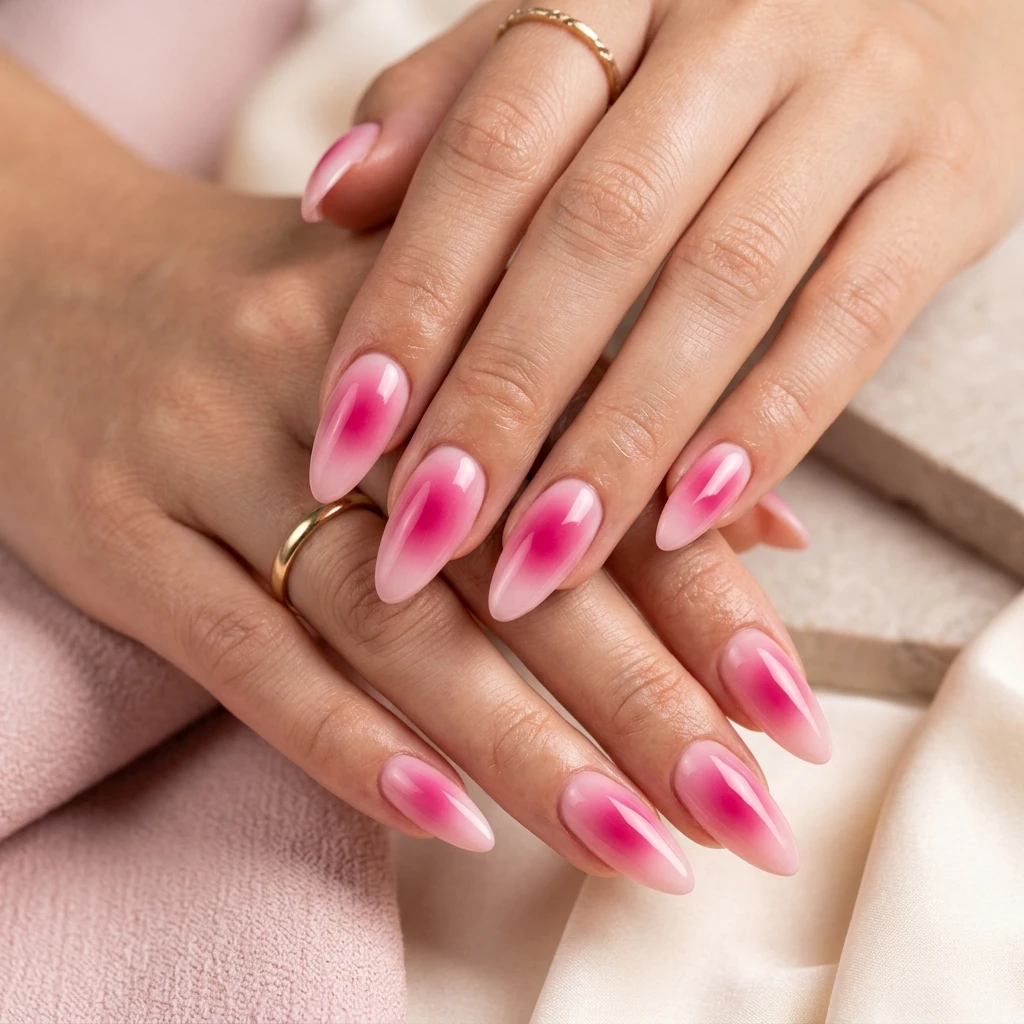
Proper preparation is critical to the longevity of any manicure, particularly airbrushing. The micro-droplets of paint require a perfectly clean, debris-free plate to adhere properly. Start by gently pushing back the cuticles to clear the nail bed. Avoid aggressive trimming of the live tissue, as this can open routes for bacterial infections.
Once cuticles are cleared, buff the nail plate gently to remove shine. Wiping away residual dust using lint-free wipes saturated with high-grade isopropyl alcohol is essential. This removes oils and residues that can block gel base coat adhesion, preventing lifting.
Buffing should always be done with a high-grit buffer (220-grit or higher) to avoid thinning the natural nail plate. Excessive filing removes structural layers of keratin, making the nail flexible, weak, and prone to splitting. Flexible nails bend easily, causing the rigid gel overlay to crack and separate from the natural plate.
Additionally, ensure that you dehydrate the nail plate thoroughly. Many technicians skip the dehydrator step, relying only on alcohol. However, a dedicated nail dehydrator temporarily removes moisture and natural oils from the deeper layers of the nail plate, allowing the primer to bond with maximum efficiency. Apply a non-acid gel primer immediately after dehydration to create a double-sided sticky bond between the natural keratin and the base gel.
2. The Anatomy of the Nail Plate
To maintain strong nails, it helps to understand their structural anatomy. The visible nail plate is composed of dense, dead layers of keratin cells, which are produced by the nail matrix located underneath the cuticle area. The eponychium (the visible fold of skin at the base of the nail) protects this matrix from water and bacteria. If the eponychium or cuticle is damaged, it can lead to infections or irregular nail growth.
The nail sits on top of the nail bed, which is rich in blood vessels that provide nutrients to the growing plate. The lunula (the white half-moon shape at the base of the nail) is the visible part of the matrix. Protecting this base area is critical during nail preparation. Avoid aggressive filing, clipping, or scraping around the lunula, as this can cause permanent ridges and weaken the entire nail structure.
Another important structure is the hyponychium, which is the seal of skin located underneath the free edge of the nail. This seal prevents pathogens from entering the nail bed. When filing the free edge or cleaning underneath, be extremely gentle to avoid separating the hyponychium from the nail plate, which can cause pain and lead to a condition known as onycholysis where the nail detaches.
3. Hydration and Strength
While gels and top coats protect the design, the health of the natural nail is sustained internally and through proper hydration. Brittle nails are prone to cracking, which will crack the gel overlay. Apply high-quality cuticle oil containing jojoba or sweet almond oil daily.
Additionally, using structure gels or builder gels under your base coat provides a solid layer of support. This reduces flexing on the free edge, which keeps the thin airbrush layers intact.
Cuticle oil should be massaged not just into the skin, but directly onto the nail bed (especially at the matrix, near the cuticle line). The matrix is where new nail cells are generated; feeding it with essential fatty acids ensures that new nail growth is strong, smooth, and flexible. Avoid mineral oils, as they sit on top of the skin without absorbing. Focus on organic jojoba or avocado oils, which have smaller molecular structures and can easily penetrate the nail plate.
4. Safe Gel Removal Techniques
Incorrect removal is the leading cause of nail damage. Peeling off gel lifts layers of the natural nail, leaving them thin. To remove airbrush designs safely, file the top coat layer slightly to break the seal, then soak your nails in pure acetone for 15 to 20 minutes. Once the gel has softened, push it off gently using an orange wood stick.
Never try to rush this process. If the gel does not push away easily with light pressure, soak the nails for an additional 5 minutes. Forcing the gel off will scrape away layers of the natural nail plate, resulting in white spots and weak areas that take months to grow out. After removal, buff the nails lightly, wash your hands, and apply a thick hand lotion and cuticle oil to rehydrate the skin and nails.
If your nails feel dry or weak after removal, take a break from gel polish for a week. Use a dedicated nail strengthener or hardener containing hydrolyzed keratin to help restore structural integrity, and keep them heavily oiled.
5. Chemical Exposure and Safe Handling
Nail care is not just about cosmetic application; it is also about chemical safety. Many nail products, including base gels, primers, and airbrush cleaners, contain active chemicals like acrylic monomers and volatile organic solvents. Repeated exposure can lead to contact dermatitis or respiratory irritation.
To protect yourself, always work in a well-ventilated area. If you are applying airbrushed nails at home or in a salon, consider using a small desktop dust collector or an airbrush spray booth with a carbon filter to extract fumes. Wear nitrile gloves during the preparation and removal phases to protect your skin from drying chemicals and acetone.
6. Environmental Factors and Everyday Protection
Weather and lifestyle factors play a significant role in manicure durability. Cold winter air and heated indoor environments strip moisture from your nails, making them brittle. Ultraviolet (UV) rays from the sun can yellow clear top coats and break down the chemical bonds of your gel overlays over time.
To protect your hands, wear warm gloves outdoors in cold weather. Consider using a daily hand lotion that contains active broad-spectrum SPF to protect your cuticles and skin from sun damage. Always wear rubber gloves when swimming in chlorinated pools or working with harsh household cleaners, as chemicals will degrade the gel structure and dull the glossy top coat finish.
Additionally, hot water is one of the worst enemies of a fresh manicure. Avoid long, hot baths or doing dishes in hot water without protective gloves. Hot water causes the natural nail plate to expand and absorb water, while the gel overlay remains rigid. This expansion differences can weaken the bond between the gel base and the nail plate, leading to premature peeling and lifting at the corners.
7. Advanced Recovery Protocols for Damaged Nails
If your nails are currently thin, peeling, or damaged due to improper removal, you must take active steps to rebuild them. Implement a two-week rest cycle between gel applications, during which you apply a high-protein nail strengthener daily.
Perform overnight "slugging" on your cuticles. Apply a generous layer of cuticle oil, followed by a layer of petroleum jelly (like Vaseline) over the cuticles, and wear cotton gloves overnight. This seals in the moisture and speeds up matrix recovery, ensuring that new nail growth emerges healthy, thick, and highly flexible.
During this recovery phase, file your nails short and round. Long nails have a longer free edge that acts as a lever, creating physical stress on the nail bed. Short, rounded shapes minimize this stress and prevent the weakened nail layers from catching and peeling further.
8. Professional Disinfection and Hygiene Standards
No nail care routine is complete without high standards of sanitation. Pathogens can quickly spread via nail tools like pushers, clippers, and buffers. If you are doing your nails at home, never share your files or buffers with others. Wash metal implements with warm soapy water, then submerge them in an EPA-registered hospital disinfectant (like Barbicide) for at least 10 minutes.
Store dry, clean tools in clean containers to prevent airborne contamination. If you notice any signs of nail fungus, such as yellowing, thickening, or separation of the nail plate from the bed, stop all gel applications immediately and consult a doctor. Gel overlays trap moisture, which will accelerate fungal growth.
9. Frequently Encountered Nail Care Myths
There are many myths surrounding nail care that can lead to improper treatment. One common myth is that nails need to "breathe" between polish applications. In reality, the nail plate consists of dead keratin cells and does not require oxygen from the air. All oxygen, vitamins, and nutrients are supplied internally by the blood flow underneath to the nail matrix. Consequently, there is no physical need to leave nails bare, provided you do not damage them during removal.
Another popular myth is that soaking nails in water before a manicure is beneficial. In fact, water soaking causes the keratin layers of the nail plate to absorb water and expand. If you apply gel polish while the nail is in this expanded state, the nail plate will contract as the water evaporates later. This contraction pulls the nail away from the rigid gel overlay, causing premature lifting and peeling of the base coat within a few days of application.
10. Nutrition and Nail Recovery
Healthy nail growth starts from the inside out. Your nails are made of keratin, a dense protein, so maintaining a protein-rich diet is essential. Ensure you are getting enough lean meats, eggs, fish, and nuts. Dietary supplements can also help; Biotin (Vitamin B7) is scientifically proven to improve nail thickness and reduce brittleness when taken daily over a period of three to six months.
Hydration is another key factor. Drink plenty of water throughout the day. When the body is dehydrated, moisture is drawn away from the extremities, leaving your nails dry, slow-growing, and prone to chipping.
In addition to protein and biotin, ensure you consume adequate amounts of Iron and Zinc. Iron deficiencies lead to spoon-shaped nails (koilonychia) and slow growth, while Zinc is essential for cell division and protein synthesis in the nail matrix. Incorporating leafy green vegetables, pumpkin seeds, and whole grains into your daily meals will naturally boost these essential minerals.